Ethical AI in Hiring: HR’s Role in DEI & Bias-Free Recruitment
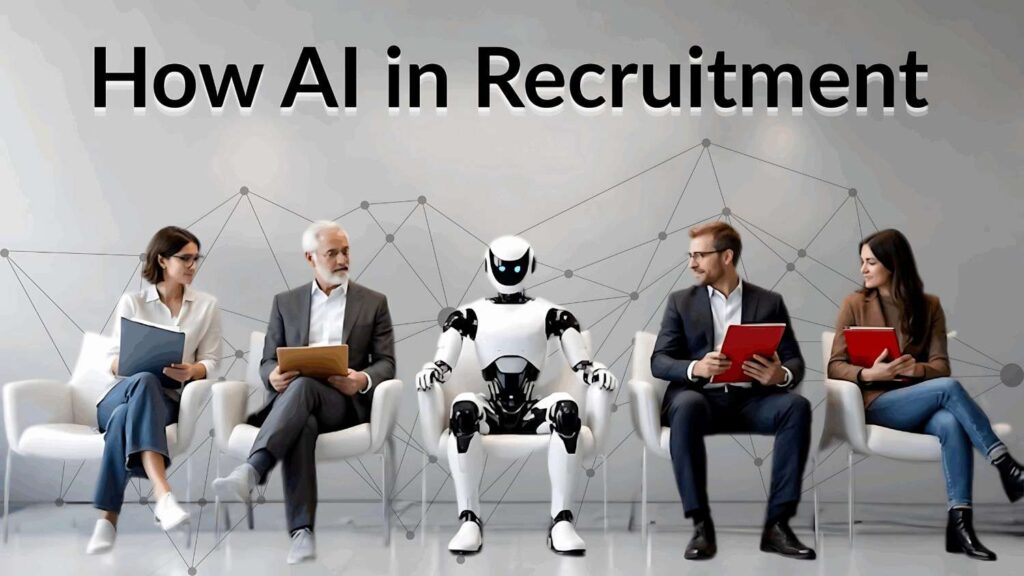
In today’s dynamic workplace, Diversity, Equity, and Inclusion (DEI) are no longer just corporate buzzwords—they are critical components of business success and ethical responsibility. As organizations strive to create more inclusive environments, technology has emerged as both a solution and a challenge in this journey. One of the most impactful technological innovations reshaping the future of hiring is Artificial Intelligence (AI).
While AI in hiring promises speed, efficiency, and cost savings, it also carries the risk of replicating or even amplifying human biases. When left unchecked, algorithmic decisions can unintentionally exclude qualified candidates from underrepresented groups, undermining the very DEI goals companies aim to achieve.
This is where the concept of ethical AI in DEI comes into play—leveraging AI responsibly to eliminate bias and promote fairness in recruitment. Human Resources (HR) leaders today have a crucial role in ensuring that AI tools align with the organization’s diversity and inclusion strategy, rather than work against it.
In this article, we explore how HR can harness ethical AI to build bias-free hiring practices that support long-term inclusion and equity.
Understanding Bias in AI-Based Hiring Systems
Artificial Intelligence has transformed the recruitment landscape. From resume screening to candidate scoring, AI in hiring boosts efficiency—but it also introduces hidden challenges, especially for organizations committed to DEI in recruitment.
Where Does Bias in AI Come From?
AI models are only as unbiased as the data they are trained on. Most recruitment AI systems learn from historical hiring data, and if that data includes patterns of discrimination, the AI can replicate or even amplify those biases.
- Common Sources of AI Bias in Hiring:
- Historical Discrimination: AI trained on biased hiring data may prefer one gender or ethnicity.
- Lack of Diverse Training Data: Homogeneous data leads to homogeneous outcomes.
Black-Box Algorithms: Many AI systems don’t explain their decisions, making it hard to detect unfair practices.
2. Real-World Consequences
If left unchecked, algorithmic bias can:
- Exclude qualified candidates from underrepresented groups
- Undermine trust in HR technology
Contradict your organization’s DEI strategy
3. What HR Leaders Must Understand
- Automation ≠ Neutrality
- Not all AI tools are designed with ethical recruitment in mind
- HR must evaluate tools for bias detection, transparency, and fairness
By understanding how AI bias works, HR professionals can take the first step toward building bias-free hiring systems that truly support inclusive recruitment.
Why Ethical AI Matters in DEI
As organizations increasingly adopt AI to streamline hiring, it’s vital to ensure that these tools align with DEI goals. Ethical AI isn’t just a tech upgrade—it’s a commitment to fairness, transparency, and equity in decision-making. For HR leaders, this means selecting technologies that don’t just perform well but also support inclusive recruitment and bias-free hiring.
What Is Ethical AI in DEI?
Ethical AI in DEI refers to the use of AI tools that are:
- Transparent – Clear about how decisions are made
- Fair – Treating all candidates equally, regardless of gender, race, or background
Accountable – Subject to review and correction when bias is detected
Why It Matters for HR and Recruitment
- Promotes Fairness at Scale
Ethical AI ensures that the screening process is consistent, equitable, and free from unconscious bias. - Builds Trust with Candidates
Candidates are more likely to engage with companies that demonstrate commitment to ethical recruitment and diversity. - Supports Long-Term DEI Goals
By using data-driven hiring practices rooted in fairness, companies improve workplace diversity and foster a culture of inclusion. - Reduces Legal & Compliance Risks
- Ethical AI helps HR teams stay aligned with emerging global standards like GDPR and India’s Digital Personal Data Protection Act (DPDPA).
A Strategic Asset, Not Just a Tool
When HR teams actively vet and implement ethical AI systems, they move from reactive to proactive DEI champions. It becomes part of the company’s DEI strategy, woven into recruitment, retention, and performance evaluation.
How HR Can Champion Ethical AI Implementation
Human Resources isn’t just responsible for adopting new technologies—it plays a critical role in ensuring that those technologies serve the organization’s Diversity, Equity, and Inclusion (DEI) objectives. Implementing ethical AI in hiring requires more than just technical integration; it demands a deliberate and inclusive strategy.
Start with a DEI-Centered AI Evaluation
Before selecting an AI tool, HR teams should assess it through a DEI lens. Consider asking:
- Does the AI use diverse training data?
- Is the decision-making process transparent?
- Are there mechanisms for bias detection and correction?
These questions help ensure the AI aligns with bias-free hiring practices.
Key Steps HR Leaders Can Take
- Audit Existing Recruitment Tools
Evaluate whether current hiring tools perpetuate bias. Look for patterns of exclusion or underrepresentation in hiring outcomes. - Partner with Ethical AI Vendors
Choose HR tech vendors who offer:- Transparent AI systems
- Bias audit trails
- Compliance with ethical standards and privacy laws
- Transparent AI systems
- Combine AI with Human Oversight
AI should enhance, not replace, human judgment. Blend automation with trained DEI-aware recruiters to ensure fairness at every step. - Regularly Monitor & Refine AI Systems
Conduct periodic reviews to assess performance. If bias patterns emerge, recalibrate the algorithm or adjust your DEI strategy. - Educate Hiring Managers & Recruiters
Provide training on:- How AI works in recruitment
- What ethical use looks like
- How to spot unintended bias
- How AI works in recruitment
Make HR the Ethical Gatekeeper
By taking the lead in implementing ethical recruitment tools, HR can become a powerful advocate for inclusive and equitable hiring practices. This proactive approach builds not only diverse teams but also a culture rooted in fairness and trust.
Key Technologies Promoting Ethical AI in Recruitment
To truly support diversity, equity, and inclusion, HR leaders must understand the technologies driving ethical AI in hiring. These innovations are designed to minimize bias, enhance transparency, and help organizations build inclusive teams.
🛠️ 1. AI-Powered Resume Screeners with Bias Filters
Modern AI resume screeners now include bias mitigation features that:
- Mask personal details (e.g., name, gender, photo, location)
- Focus on skills, experience, and achievements
- Flag patterns of bias in historical data
🧠 2. Ethical Natural Language Processing (NLP)
Used in chatbots and interview evaluations, ethical NLP models are trained to:
- Avoid gendered or racially coded language
- Assess tone, sentiment, and communication style fairly
- Ensure uniform candidate treatment
🔍 LSI Keywords Used: Inclusive recruitment AI, fair hiring NLP
🎥 3. AI Video Interviewing with Fairness Features
Some platforms now provide:
- Structured, consistent interview scoring
- Facial analysis tools that are compliant with ethical standards
- Real-time bias detection for interviewers and reviewers
⚠️ Important Note: Not all video-based AI tools meet ethical AI guidelines. Always verify if they align with DEI and data privacy laws.
🔄 4. AI Audit & Compliance Platforms
Tools like AI explainability engines or DEI-focused audit platforms help HR:
- Track how AI makes hiring decisions
- Identify bias in algorithmic output
Provide documentation for EEAT & compliance reporting
By integrating these technologies, companies can build equitable recruitment systems that are both scalable and aligned with ethical standards. These tools not only support DEI hiring strategies but also demonstrate a brand’s commitment to ethical AI in HR.
Best Practices for HR Leaders to Ensure AI Supports DEI
For HR professionals, the integration of ethical AI in hiring must be strategic and intentional. It’s not just about adopting the latest tech—it’s about aligning every decision with the organization’s DEI strategy to ensure fairness, inclusion, and trust.
Here are proven best practices to ensure your AI recruitment tools support diversity and equity:
✅ 1. Set DEI-Centric Goals for AI Adoption
Before implementation, define what success looks like:
- Increase representation from underrepresented groups
- Eliminate bias in shortlisting or scoring
- Improve inclusivity in candidate communication
🛡️ 2. Prioritize Transparent & Explainable AI
Choose tools that offer:
- Clear visibility into how decisions are made
- Explainable outcomes for candidate scores or rankings
- Audit logs to track fairness across touchpoints
🧑💼 3. Train HR Teams on Ethical AI Use
Upskill your recruitment team on:
- Understanding AI decision-making
- Spotting and mitigating bias
- Using AI tools responsibly
📊 4. Monitor Metrics & Adjust Regularly
Track key DEI hiring metrics like:
- Diversity in applicant pools vs. final hires
- Drop-off rates by demographic
- Algorithmic bias reports
Use data to continuously refine both your AI tools and DEI strategy.
🤝 5. Include Stakeholders in Ethical AI Governance
Establish cross-functional ethics committees that include:
- HR professionals
- DEI officers
- Legal and tech leads
This ensures AI decisions are guided by varied, inclusive perspectives.
Pro Tip: Partner with Inclusive Tech Vendors
Look for vendors committed to:
- Ongoing bias mitigation
- Ethical data use
- Transparent reporting mechanisms
Final Thoughts — Building Inclusive Hiring with Ethical AI
HR leaders play a vital role in aligning technology with values. Embracing ethical AI in hiring is essential for building a workforce that reflects true diversity, equity, and inclusion.
By prioritizing bias-free hiring tools, transparent processes, and inclusive strategies, organizations can ensure that AI supports—not undermines—their DEI goals.
✅ In Short:
Ethical AI isn’t just a tool—it’s a commitment. When used responsibly, it helps HR create fairer, more inclusive recruitment processes that shape future-ready teams.
FAQs
What is ethical AI in recruitment?
Ethical AI in recruitment refers to using AI tools that promote fairness, transparency, and unbiased hiring practices. It ensures decisions are based on merit, not prejudice.
How does AI help support DEI goals?
AI can reduce human bias, improve decision consistency, and highlight areas lacking diversity. When designed ethically, it complements DEI initiatives in hiring.
Can AI in recruitment help reduce bias?
Not entirely—AI can help reduce bias but needs proper oversight. It must be trained on diverse data and regularly audited for fairness.
What are the risks of using AI in hiring?
Risks include data bias, lack of transparency, and unfair screening. Without ethical design, AI can unintentionally reinforce discrimination.
How can HR ensure AI tools are ethical?
HR should choose vendors with explainable AI, bias audits, and compliance with DEI standards. Human oversight is also essential.
What metrics should be tracked to measure DEI in AI hiring?
Track diversity in applicant pools, shortlists, and final hires. Also monitor bias trends and candidate feedback.
Is using ethical AI legally required?
While not always mandatory, many countries (like India with DPDPA) are enforcing data protection and fairness in automated hiring decisions.
How can AI assist in inclusive job descriptions?
AI tools can analyze and suggest neutral language, removing gender-coded or exclusionary terms. This attracts a more diverse talent pool.
Are AI interviews ethical?
They can be if designed with fairness, consistency, and transparency. Ethical video interview tools avoid facial bias and follow DEI norms.
What role does HR play in ethical AI adoption?
HR leads the selection, training, and monitoring of AI tools. They ensure AI aligns with company values and DEI hiring goals.